If you run a cold storage warehouse, frozen food packing line, pharmaceutical cold chain, or seafood processing plant, you have almost certainly run into this frustrating problem: labels peel up at the edges, fall off packaging, barcodes turn unreadable, and traceability breaks down. It starts with a key question many buyers ask: can self-adhesive labels cold storage work reliably?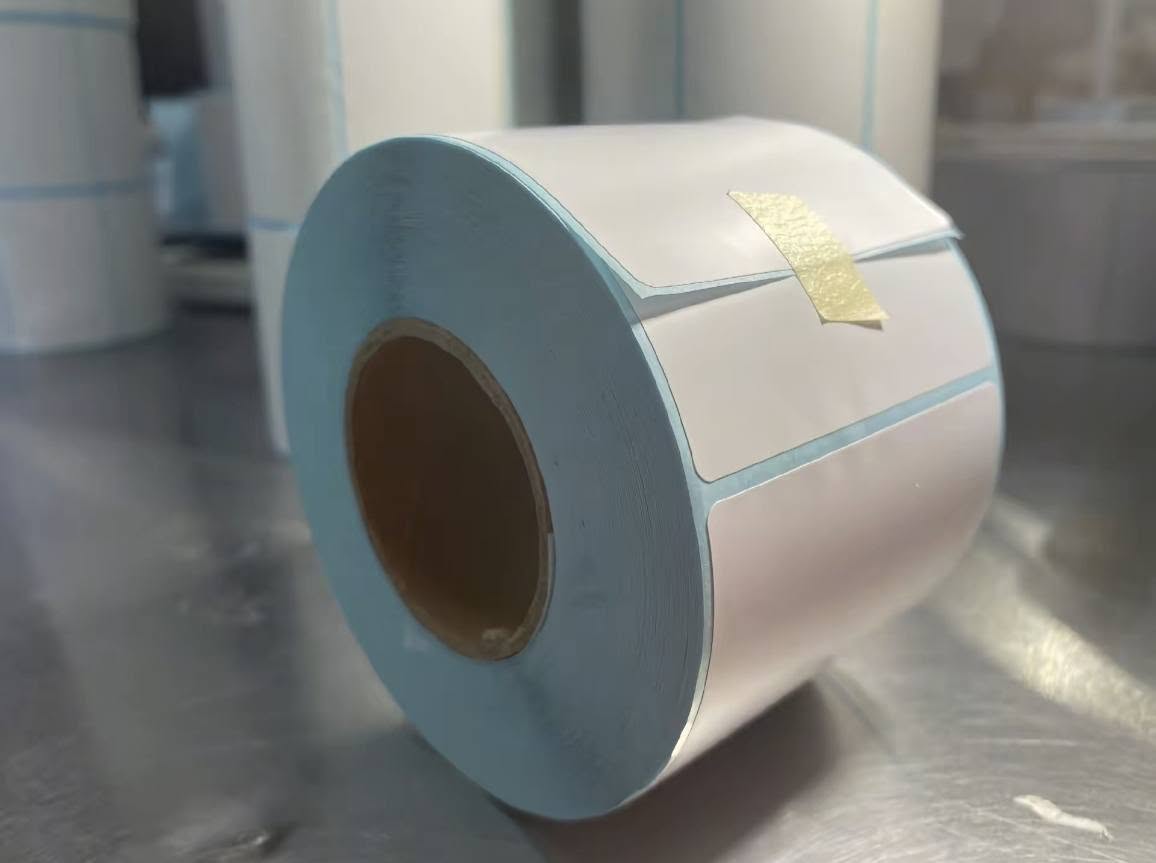
The short answer is yes, but with a critical caveat. Standard self-adhesive labels for office shipping or room-temperature packaging almost always fail in cold rooms and freezers. Only specially engineered cold-resistant self-adhesive labels can hold their bond and stay legible. Many buyers treat self-adhesive labels as one simple product. In reality, self-adhesive labels cold storage rely on a complete system: face stock, adhesive, liner and print ink. If one part is not built for low-temperature work, the whole label fails.
Over the years we’ve worked with many cold storage operators, frozen food exporters and logistics teams. The most common mistake is ordering regular paper self-adhesive labels, testing them at room temperature, sticking them to cartons, then placing those cartons straight into -18°C or -25°C freezers. At first everything looks fine. After a few hours or freeze-thaw cycles, the self-adhesive labels start curling, lifting and dropping off. Teams waste hours re-labelling inventory, shipments get delayed, and mislabeled goods create compliance risks.
So why do ordinary self-adhesive labels fail quickly in cold storage? It all comes down to pressure-sensitive adhesive behaviour at low temperatures. Normal rubber or general acrylic adhesives turn hard and brittle once cooled below their glass transition point. They lose tack and cannot grip tightly.
Cold storage brings two extra challenges: condensation and frost. When warm air touches cold cartons, plastic containers or metal bins, moisture forms on the surface. Standard paper self-adhesive labels soak up moisture quickly. The paper swells, wrinkles, and ink smudges. Even if adhesive stays stuck, barcodes become unscannable. Repeated freeze-thaw cycles make this worse. Each cycle stresses the bond, and many self-adhesive labels cold storage fail after several temperature shifts.
That said, cold-rated self-adhesive labels solve these pain points. The biggest difference is the adhesive formula. Self-adhesive labels cold storage use modified low-temperature acrylic adhesives. They stay flexible below zero, and many handle continuous service down to -40°C for regular freezers. For -80°C biobanking or liquid nitrogen use, you need separate cryogenic adhesives, not standard freezer self-adhesive labels.
One detail buyers often miss on datasheets: application temperature vs service temperature. These are not the same. Service temperature is the minimum temperature the label withstands after sticking. Application temperature is how cold the surface can be when you apply the self-adhesive labels. Some freezer self-adhesive labels must be applied at room temperature before freezing. Cold-apply self-adhesive labels are made to stick onto frosty surfaces directly inside the cold room. If your team labels frozen pallets inside a -20°C warehouse, room-apply self-adhesive labels cold storage will still fail.
Face stock material is the second pillar for reliable self-adhesive labels cold storage. Plain coated paper is rarely suitable for humid cold rooms. Paper absorbs water and smudges easily. For most frozen food and warehouse marking, BOPP film is the top choice. BOPP resists moisture and frost, stays flexible in cold, and works well with thermal transfer printing to keep barcodes scannable. PET is tougher for harsh industrial cold storage, while PE vinyl suits curved plastic containers that expand and contract. Short-run receiving labels can use direct thermal synthetic stock, but regular thermal paper fades in deep freezers.
Ink and printing also matter. For in-house thermal transfer printing, match resin ribbons to your film self-adhesive labels. Wax ribbons smudge easily with frost and moisture. Resin ribbons deliver scratch-proof, waterproof print that holds up in cold storage. Pre-printed frozen food labels use UV or solvent inks that resist cracking as the material shrinks in low temperatures.
Before finalizing your specification for self-adhesive labels cold storage, map your real working conditions. Note your lowest storage temperature, whether labeling happens in a warm packing area or cold room, substrate types, freeze-thaw cycles, humidity, and food or pharma compliance requirements. For food exporters, this step prevents customs holds from non-compliant self-adhesive labels.
We always recommend a small field test before full rollout. Apply sample self-adhesive labels following your normal workflow, place them on your typical packaging, and store them in the cold room for at least two weeks. Add warm-up and re-freeze cycles if your goods go through transport. Check daily for lifting edges, bubbling, curling and scan quality. Supplier lab reports help, but site testing is the best way to verify self-adhesive labels cold storage performance.
Simple on-site habits also help self-adhesive labels last. Apply labels to clean, dry surfaces before freezing whenever possible. Wipe frost and water away before applying cold-apply self-adhesive labels. Press the whole label firmly, especially the corners. Avoid placing self-adhesive labels across seams or flexible folds. For reusable crates moving in and out of cold storage, pick removable cold adhesive; permanent self-adhesive labels leave sticky residue when removed.
When comparing suppliers, avoid vague claims like “low temperature resistant” without clear data. A reliable spec sheet for self-adhesive labels cold storage should list minimum application temperature, service range, face stock, adhesive type, print compatibility and required compliance certificates.
For cold storage businesses, reliable self-adhesive labels are not a trivial purchase. They support inventory accuracy, picking speed, traceability and food safety. Failed self-adhesive labels create hidden operational costs far bigger than the price gap between standard and cold-rated rolls.
To wrap up: self-adhesive labels can work safely in cold storage, but only with low-temperature adhesive, moisture-resistant synthetic face stock, matched printing supplies and correct application. Ordinary paper self-adhesive labels will nearly always fail.
If you run a new cold warehouse, upgrade frozen food packaging labels, or struggle with peeling self-adhesive labels in your cold chain, start by recording your temperature and application conditions. A tailored solution for self-adhesive labels cold storage keeps your inventory marked, barcodes scannable and operations running smoothly.
 Hot News
2025-07-31
2025-07-22
2025-07-09
2026-01-22
2026-01-19
2026-01-15

 EN