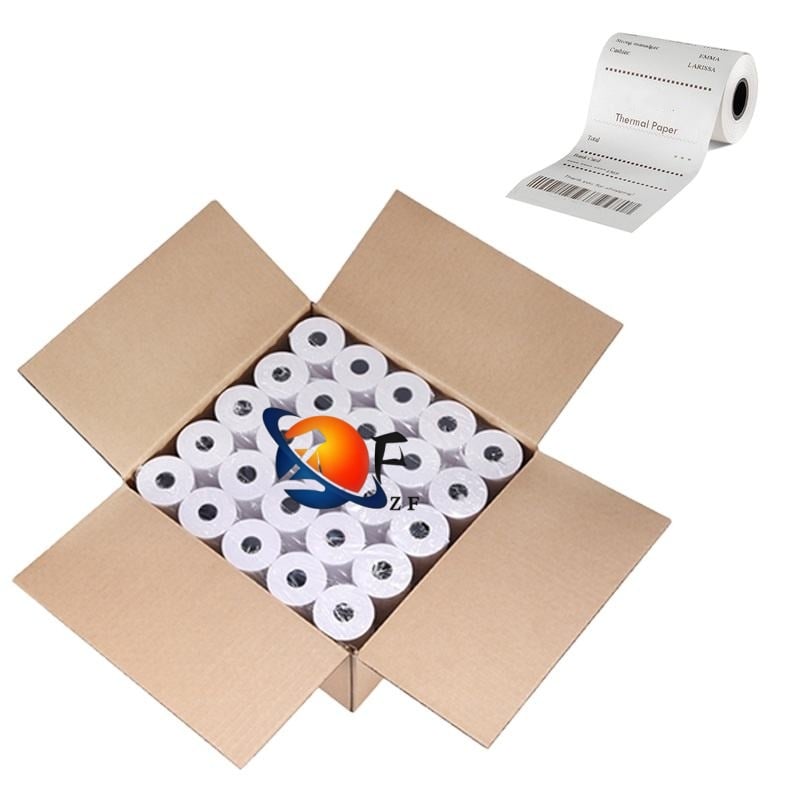
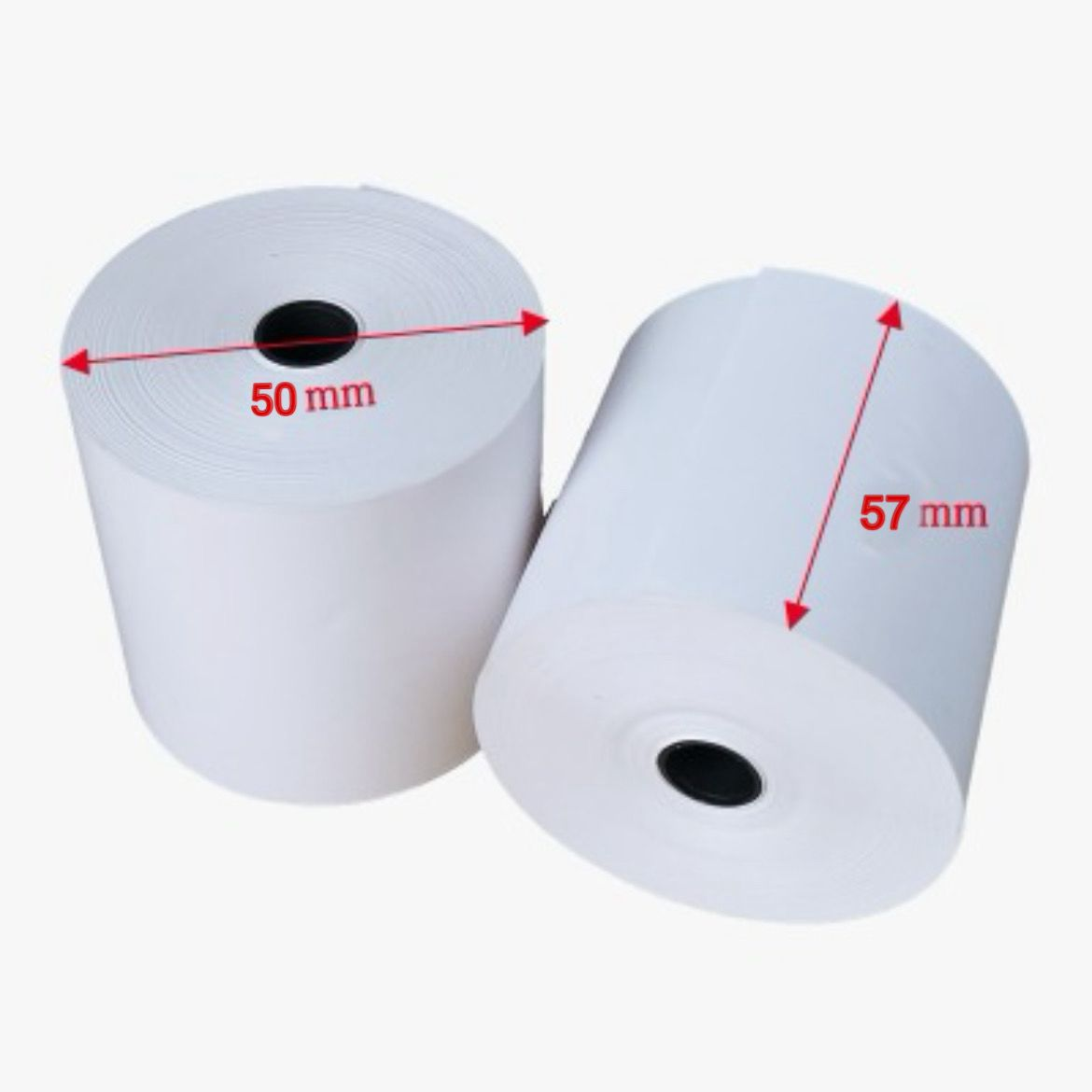
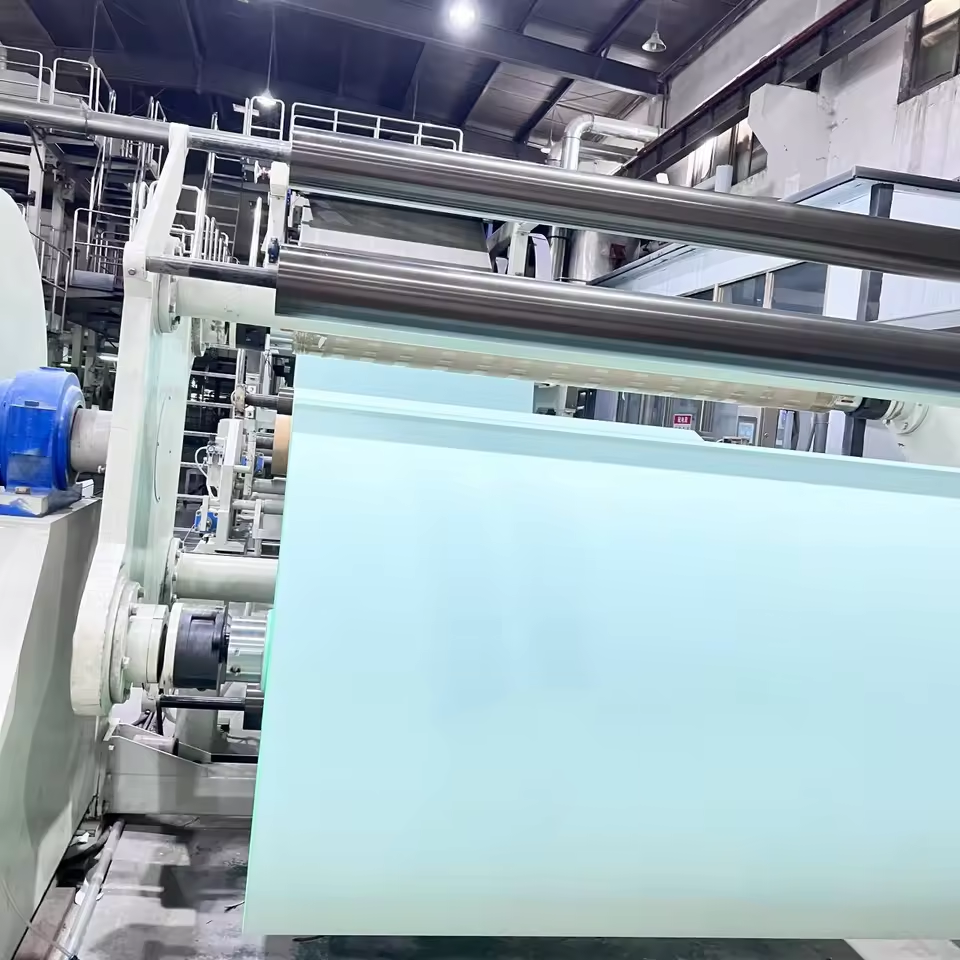
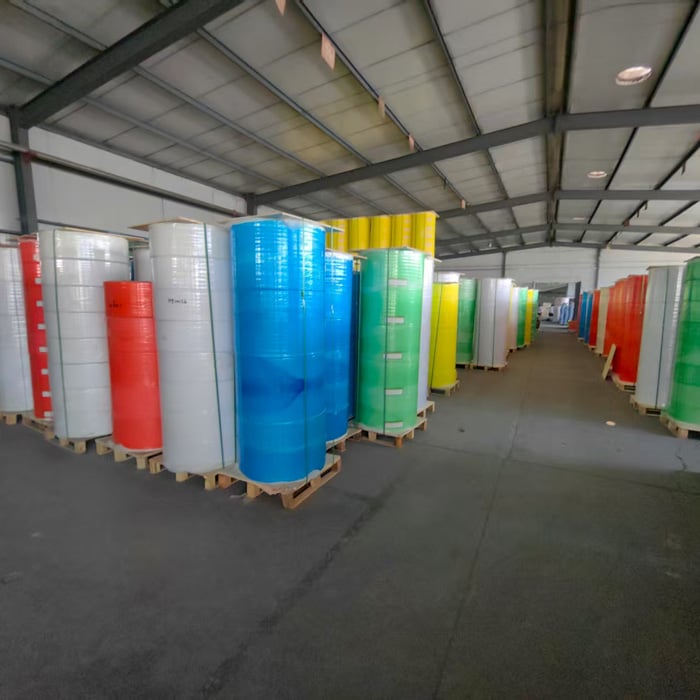
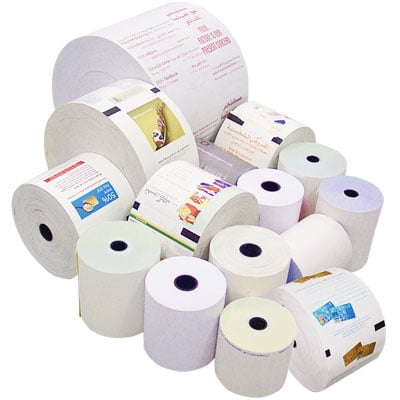
If you run a retail store, logistics business, café, or any operation that relies on POS receipts, shipping labels, or thermal printing, you’ve likely come across two types of thermal paper: BPA free thermal paper and regular thermal paper. At first glance, they look identical—white, smooth, and compatible with most direct thermal printers. But beneath the surface, these two paper types differ vastly in chemical composition, health safety, print durability, regulatory compliance, and long-term value for your business.
Many small business owners and procurement teams opt for cheap regular thermal paper to cut short-term costs, unaware of the hidden health risks and operational downsides. Meanwhile, BPA free thermal paper has become the gold standard for modern, responsible businesses worldwide. In this guide, we break down the core differences between BPA free and regular thermal paper, helping you make a smart, safe, and cost-effective choice for daily operations.
1. Core Chemical Composition: The Fundamental Difference
The biggest distinction between regular thermal paper and BPA free thermal paper lies in their heat-sensitive coating formula, which is the core of how thermal paper works. Unlike traditional paper, thermal paper requires no ink or toner; it relies entirely on a chemical coating that darkens when exposed to heat from printer heads.
Regular thermal paper uses free, unbound Bisphenol A (BPA) as its primary color developer. This chemical is highly reactive to heat, delivering stable printing effects at a low manufacturing cost, which is why conventional thermal paper has dominated the market for decades. Some low-grade regular thermal paper even contains excess phenol-based additives to enhance heat sensitivity.
BPA free thermal paper completely eliminates intentionally added BPA. Most premium BPA free variants also avoid harmful BPS (Bisphenol S), a common BPA substitute found in low-quality “BPA-free” paper. Instead, it uses eco-friendly, non-toxic alternative developers that deliver the same heat-activated printing effect without hazardous endocrine-disrupting chemicals. It’s important to note that genuine BPA free paper undergoes strict purification processes to exclude all traceable harmful phenol compounds.
2. Health & Safety: Critical Risks for Daily Users
Health safety is the most compelling reason businesses are switching from regular to BPA free thermal paper. Thermal paper is one of the most frequently touched office and retail supplies—cashiers, waiters, logistics staff, and even customers handle receipts and labels dozens of times daily.
The free BPA in regular thermal paper transfers easily to human skin with simple contact. Studies show that BPA can penetrate intact skin within seconds, entering the bloodstream and peaking in concentration in just 30 minutes. The risk is amplified when users apply hand lotion, hand sanitizer, or moisturizer, as these products break down skin barriers and accelerate chemical absorption.
Long-term repeated BPA exposure poses severe health risks. As an environmental estrogen, BPA disrupts the human endocrine system, interfering with natural hormone balance. It may trigger reproductive health issues, early puberty in children, hormonal disorders, and even increase long-term disease risks. Vulnerable groups including pregnant women, infants, kids, and staff with sensitive skin face the highest threats from regular thermal paper.
In contrast, BPA free thermal paper eliminates all these hidden dangers. With no toxic bisphenol compounds, it is safe for long-term, frequent hand contact. It is particularly ideal for businesses in food service, childcare, healthcare, and retail, where staff and customer safety is a top priority.
3. Print Quality & Durability: Performance Comparison
A common misconception is that BPA free thermal paper sacrifices print quality for safety. In reality, modern premium BPA free thermal paper matches and even outperforms regular thermal paper in key printing metrics, with more stable long-term durability.
Print clarity and sharpness: Both paper types support high-speed thermal printing and produce clear black text and barcode patterns. There is no visible difference in daily printing effects for receipts, shipping labels, and tickets. High-quality BPA free paper features an even coating, avoiding blurred text or incomplete printing that often occurs with low-cost regular thermal paper.
Image retention and anti-fading performance: This is a key performance gap. Regular thermal paper fades quickly when exposed to sunlight, heat, or friction. Most regular receipts become unreadable within 6–12 months, making it unsuitable for financial record storage. Standard BPA free thermal paper offers 2–5 years of clear image retention under normal storage conditions, and premium waterproof and oil-proof variants can maintain clarity for over 10 years. This makes it perfect for business bookkeeping, logistics tracking, and official record preservation.
Printer compatibility: Both paper types fit all standard direct thermal printers, POS machines, and label printers. No equipment replacement or parameter adjustment is needed when switching from regular to BPA free paper.
4. Environmental Friendliness & Recyclability
Sustainability is no longer an optional bonus but a core business requirement. Regular thermal paper is notoriously unfriendly to the environment. The BPA chemical coating contaminates paper fibers, making regular thermal paper unrecyclable. Most discarded regular thermal receipts end up in landfills, where BPA leaches into soil and groundwater, causing long-term ecological pollution.
BPA free thermal paper uses clean, non-toxic coatings with no harmful residual chemicals. Its pure paper fibers are fully recyclable and biodegradable, reducing corporate carbon footprints. For brands committed to green operations, switching to BPA free thermal paper is a simple, effective way to enhance environmental credentials and meet global sustainable development standards.
5. Regulatory Compliance & Market Adaptability
Global safety regulations are becoming increasingly strict on BPA usage in consumer and commercial supplies. The EU, Japan, Singapore, and many North American regions have issued clear restrictions on BPA-containing thermal paper, especially for food contact industries, public service institutions, and retail businesses.
Regular thermal paper faces increasing usage and sales restrictions in international markets. Businesses that export goods or serve overseas customers using regular thermal labels and receipts may face compliance risks and trade barriers. BPA free thermal paper fully meets international safety and environmental standards, ensuring seamless market access and helping businesses avoid regulatory penalties.
6. Cost & Long-Term Business Value
Admittedly, BPA free thermal paper has a slightly higher unit price than regular thermal paper, which is the main reason some businesses still choose conventional paper. However, focusing solely on upfront costs ignores long-term hidden expenses.
Regular thermal paper’s poor durability means frequent reprinting of faded receipts and labels, wasting paper and labor costs. More importantly, long-term BPA exposure may lead to staff health problems and potential workplace safety disputes. In contrast, BPA free thermal paper delivers stable print quality, fewer reprints, zero health risks, and better brand image. For long-term business operation, it is far more cost-effective and reliable.
Final Verdict: Which One Should You Choose?
Choose regular thermal paper only for temporary, low-frequency printing scenarios with no long-term record storage needs and minimal human contact.
Choose BPA free thermal paper for all commercial scenarios including retail POS receipts, food service bills, logistics shipping labels, medical records, and public service documents. It is safer, more durable, eco-friendly, and regulation-compliant, bringing comprehensive value to your business, staff, and customers.
In short, the difference between BPA free and regular thermal paper is not just a chemical detail—it’s a choice between hidden risks and long-term sustainable business growth.
 Hot News
 EN
EN