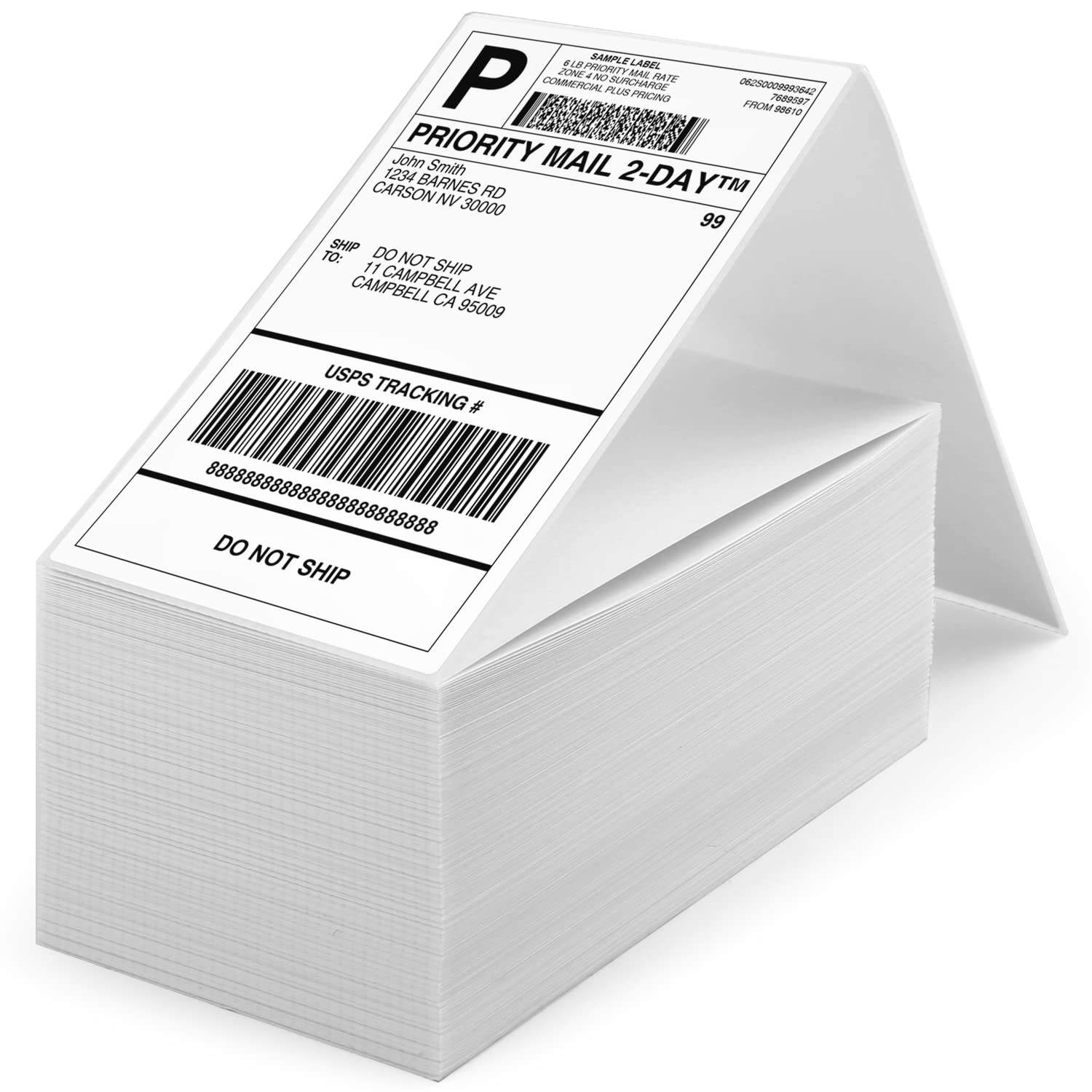
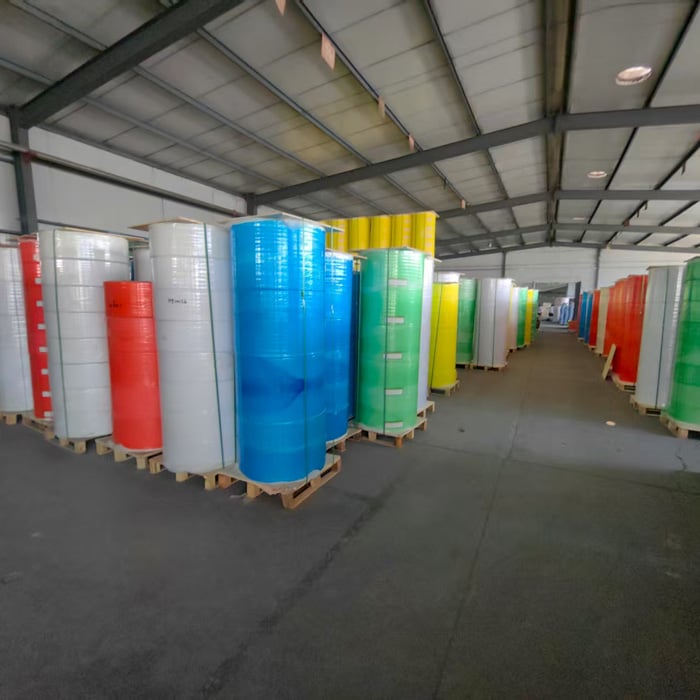
If you are ordering multi-part business forms, one of the most overlooked details is carbonless paper color selection. Many buyers focus only on size, quantity and lead time at first, but later run into confusion on which color set to use for their invoices, delivery notes, receipts or warehouse documents. Getting the color combination right helps your team sort forms quickly, avoid mix-ups and match local market habits.
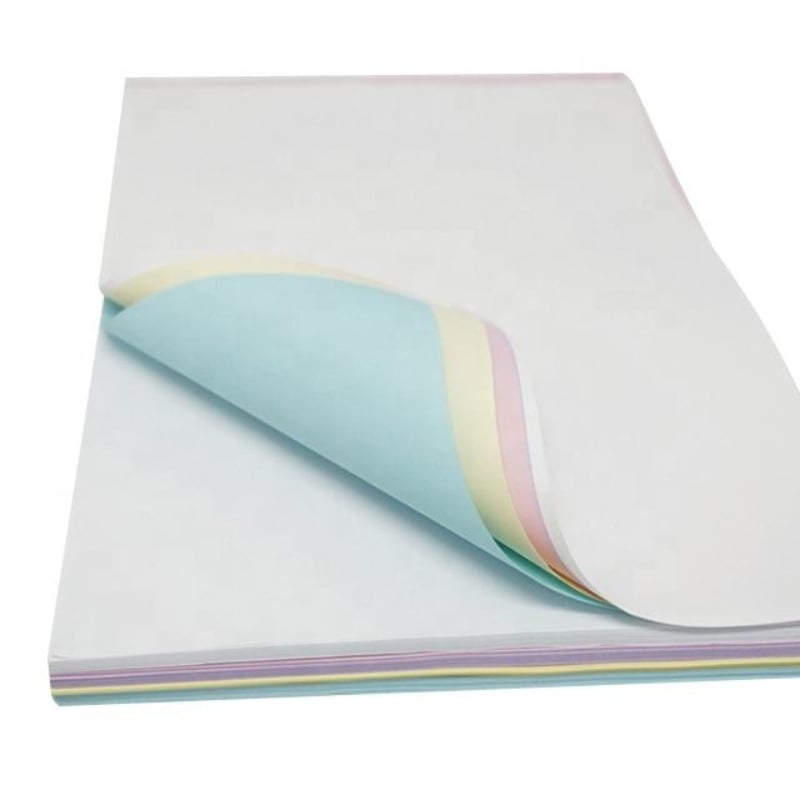
To start with the basics, carbonless paper has CB (coated back) top sheets and CF (coated front) bottom sheets. The top sheet is almost always white. The colored sheets are the underlying copies. Standard colors widely available are white, canary yellow, pink, blue and green. There is a long-standing industry convention for multi-part sets: 2-part forms usually come as white + yellow; 3-part sets are white, yellow and pink; 4-part adds blue, and 5-part will include green. This is not a mandatory rule, but end users have been familiar with this matching for decades.
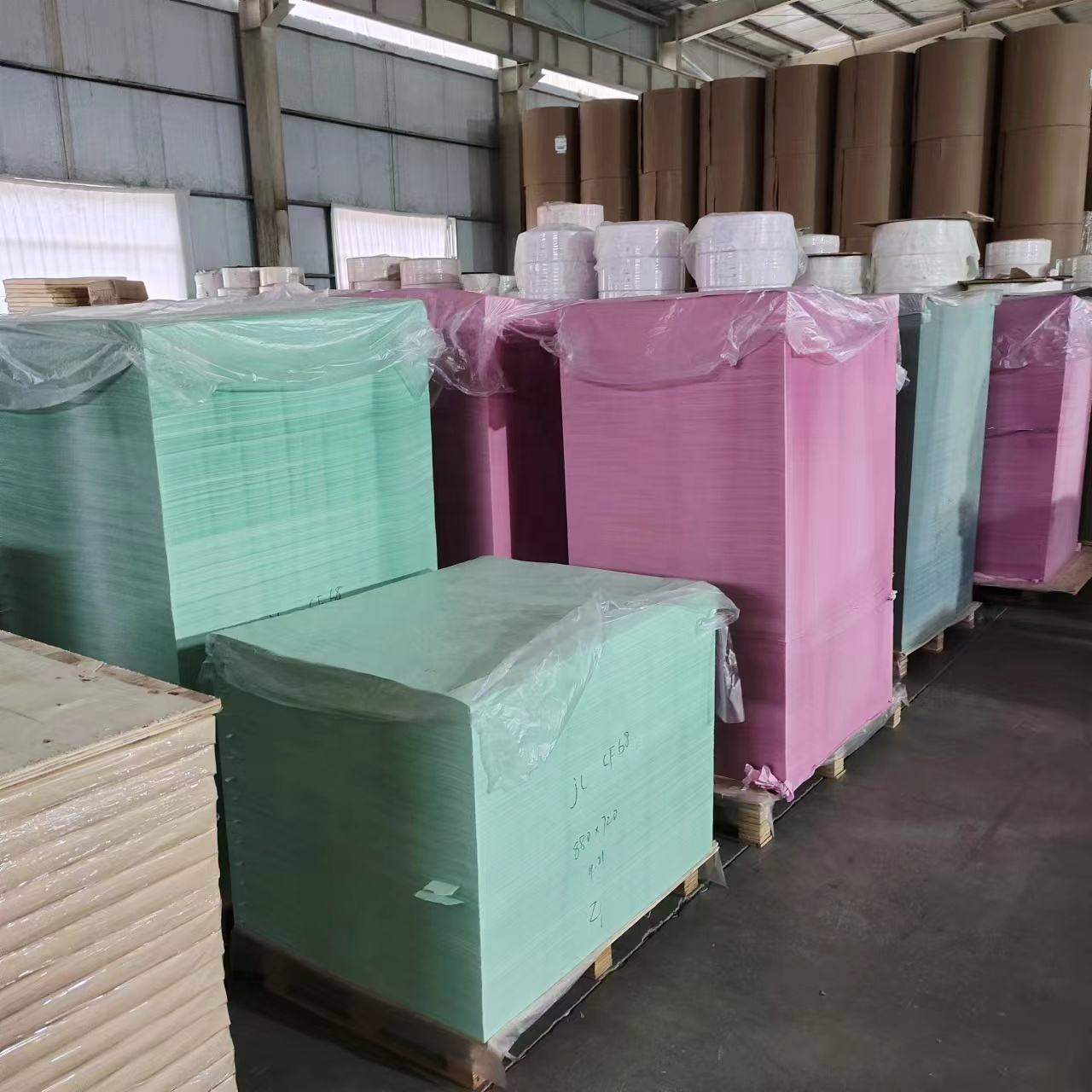
When planning carbonless paper printing, you need to know carbonless sheets are sensitive to printing pressure. Too much pressure creates unintended pre-marks on the coating before end users write or stamp. Too little pressure leads to light, illegible text. You also have to distinguish the front and back coated sides. Printing on the wrong side of carbonless paper will ruin the whole batch. Always work with a printer who has solid experience with carbonless forms, not a general print shop.
For custom carbonless paper orders, color selection should be confirmed together with other specifications: sheet size, number of parts, sequential numbering, padding or book binding. If your client does not specify colors, stick to standard color combinations. Custom special colors are possible, but they usually mean extra cost and longer production lead time. Your customers are used to classic color sets; unusual custom colors may even make them doubt the quality of your forms.
Different markets also have different preferences. European and American customers tend to like white-blue or white-green combinations which look clean. Buyers in Southeast Asia commonly use yellow and pink copies. When handling export orders, check your target region’s local usage habits before finalizing colors, do not simply copy domestic standards.
When you look for a reliable carbonless paper supplier, do not only compare prices. Ask whether they supply raw carbonless paper or finished padded forms. Check MOQ, sample availability and production lead time. Request physical samples for testing before bulk production, especially for jobs requiring carbonless paper printing and sequential numbering. Poor coating quality may look fine on the first two sheets, but the 3rd and 4th copies will turn blurry, and you will face heavy losses once bulk goods are finished.
There are two common mistakes buyers often make. Some think more colors mean better multi-part forms. Actually, writing pressure weakens through each layer of the set. No matter how many colors you add, low-quality paper cannot deliver clear copies on the last sheets. Another misunderstanding is that colors can be freely mixed in any order. Factories only keep standard colors in stock. Non-standard color options require special scheduling and extra charges, so budget and timeline should be evaluated in advance.
Color selection sounds like a minor detail, yet it connects document sorting, archiving, printing quality and end-user habits. Next time you place custom carbonless paper orders, define your usage purpose and number of parts first. Confirm color palette, dimensions and printing requirements with your carbonless paper supplier in one go. This simple step can save you lots of back-and-forth emails and unexpected delays.
 Hot News
 EN
EN