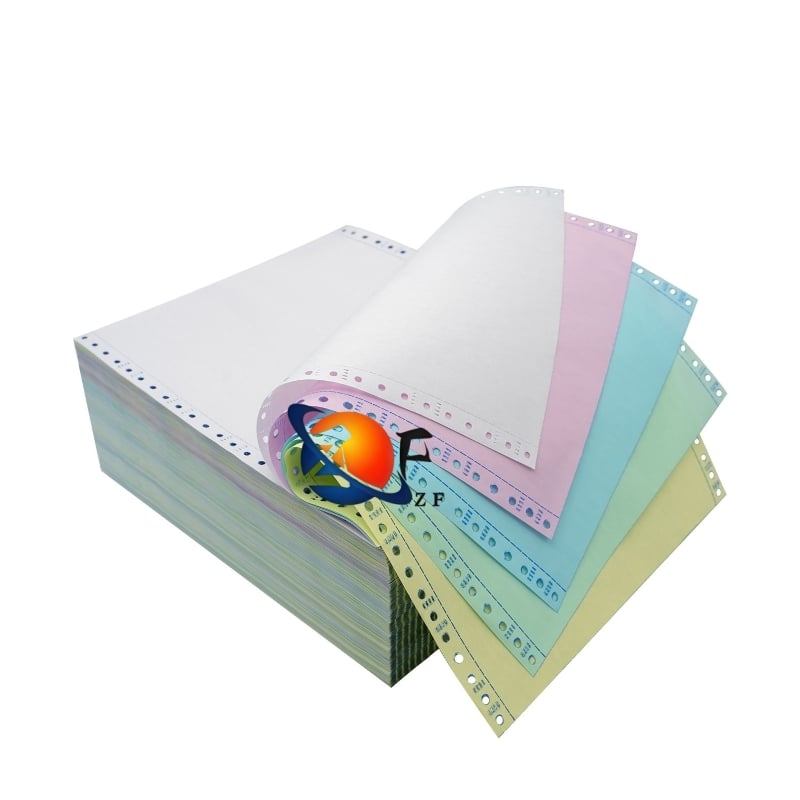
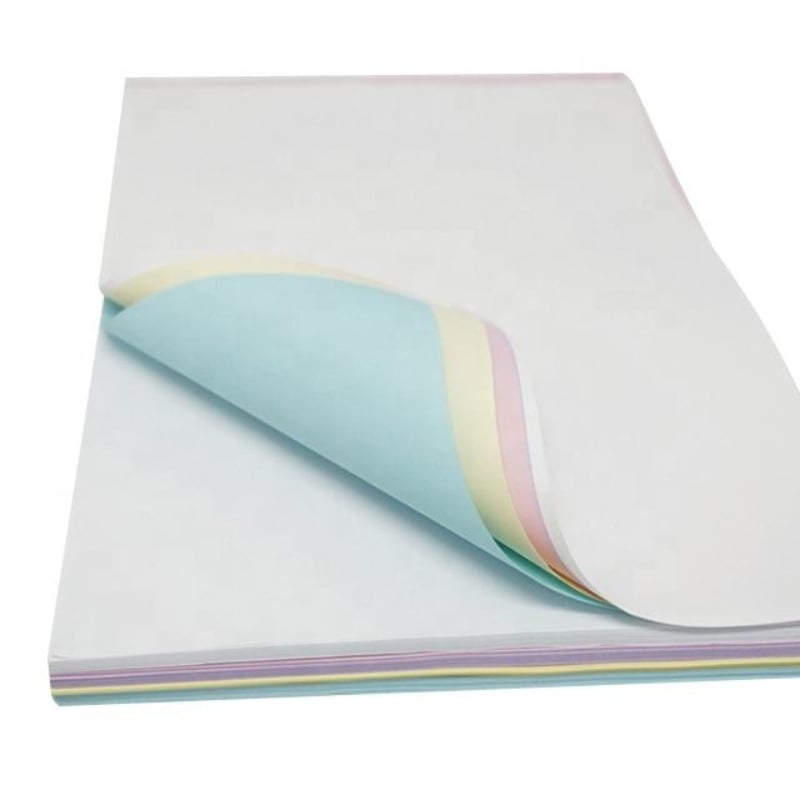
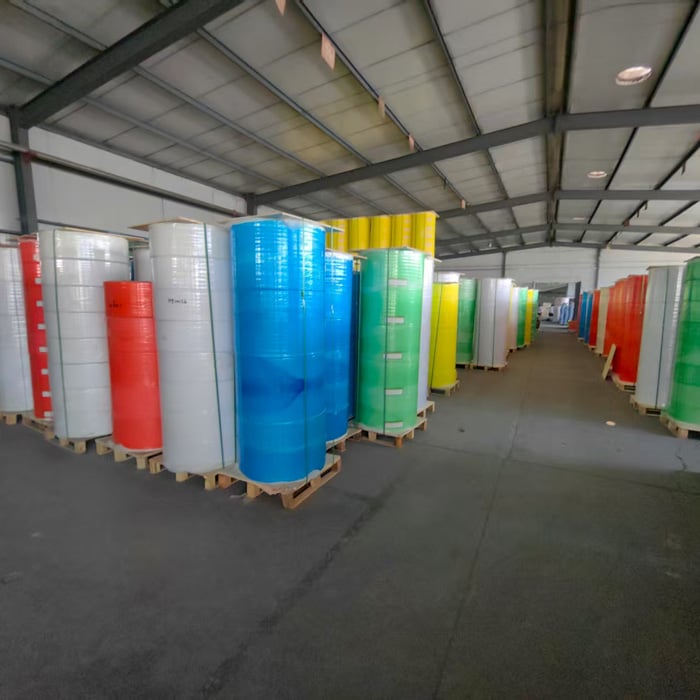
Even high-quality carbonless copy paper will suffer various quality defects such as unintended automatic color development, gradual handwriting fading, sheet yellowing and brittle damage if kept under improper storage conditions. Unsuitable temperature, humidity, external pressure or chemical contamination can all trigger these undesirable issues, which directly ruin your printed forms and records. Scientific and standardized storage can effectively extend the service life of the paper, guarantee stable color reaction, keep copied handwriting clear and legible, and preserve the long-term validity of your important business documents. The complete standardized storage guidelines are listed as follows:
1 .Strictly Control Storage Environment: Dry & Shady & Constant Temperature
Humidity is the biggest factor affecting the quality of
carbonless copy paper. It must be stored in a
dry, ventilated and cool environment, avoiding long-term humidity, rain and water soaking. The optimal storage humidity is controlled at 40%-60%, and the ambient temperature is maintained at 18-25℃. Excessively high humidity will cause the paper coating to absorb moisture and trigger automatic color development, resulting in invalid blank paper; excessively dry environment will make the paper brittle and easy to break. In addition, it is necessary to avoid direct sunlight and long-term irradiation of strong light, which can prevent handwriting fading and paper aging yellowing.
2. Standard Stacking & Placement to Avoid External Pressure Damage
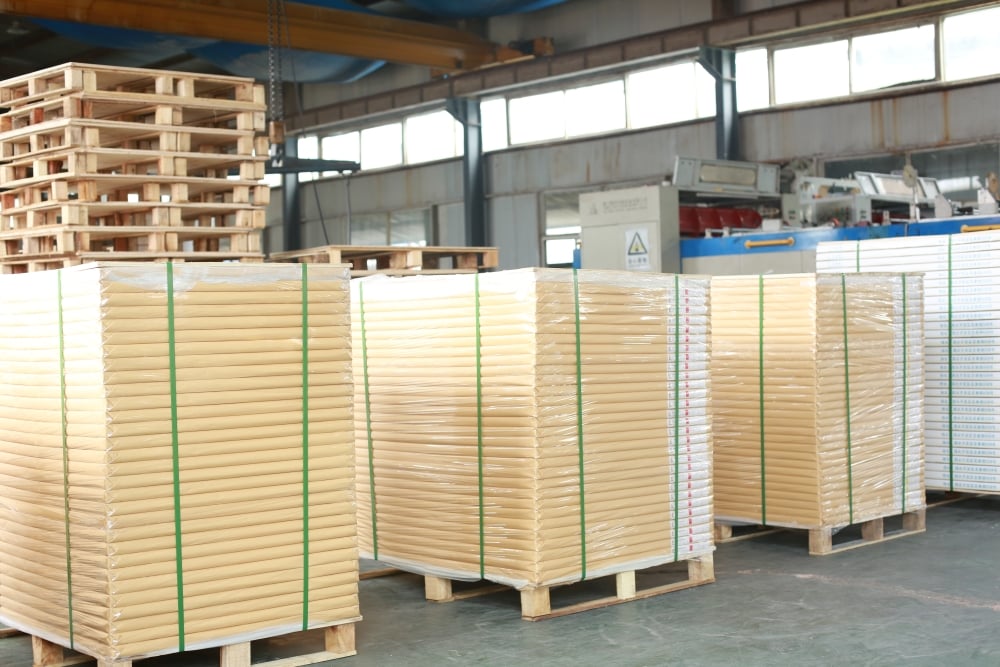
Carbonless copy paper is pressure-sensitive. Proper storage is critical to preserve its core copying performance. During storage, it must be laid flat and neatly stacked with a moderate stacking height. Excessive heavy pressure from upper layers should be strictly avoided. Long-term heavy stacking may prematurely rupture the internal microcapsules of the paper, triggering unintended, irregular spontaneous color development and ruining normal printing performance. Meanwhile, random folding, squeezing or bending of the sheets is prohibited. Always keep the paper flat and tidy. We recommend storing the product on dry wooden or metal shelves. Keep it away from direct contact with floors and walls to prevent moisture absorption, mildew growth and irreversible quality degradation.
3. Isolate Harmful Substances & Avoid Chemical Reactions
During storage, carbonless copy paper must be fully isolated from various chemical substances including acids, alkalis, solvents, volatile oils and disinfectants. These hazardous substances can easily trigger chemical reactions with the special coating on carbonless copy paper. Such reactions will gradually cause handwriting fading, paper discoloration and permanent coating failure, which directly ruins the copying effect of the paper and renders business documents unusable. In addition, never store carbonless copy paper together with damp goods, corrosive materials or miscellaneous daily supplies. It is vital to arrange an independent, clean and dedicated storage space to protect the paper’s original copying performance.
4. Graded Storage & Timely Sealing to Ensure Batch Usability
It is recommended to implement graded storage according to carbonless copy paper specifications, models and production batches. Clear classification labels should be pasted on each stack for quick retrieval and efficient inventory management. The labels need to contain complete information including product code, batch number, production date and shelf-life reminder to help warehouse staff distinguish different goods at a glance and prevent batch mixing errors. For opened carbonless copy paper rolls or sheets, promptly reseal the original packaging to block moisture and dust in ambient air, and prevent prolonged exposure to the atmosphere. Any torn packaging films should be replaced with new moisture-proof wrapping materials if the original package cannot be fully closed. We also advise strictly adopting the first-in, first-out (FIFO) principle for inventory consumption. This avoids long-term stockpiling of bulk paper, which may gradually degrade the color rendering performance and compromise copying quality. Regular stock rotation checks shall be scheduled to track paper storage duration and remove expired stock in advance.
5. Avoid Long-term High-temperature Environment
Do not store carbonless copy paper in high-temperature environments, including areas close to heating equipment, air-conditioner vents and high-temperature workshops. Direct heat radiation should also be avoided. Keep the storage area temperature stable and away from sunlight penetration through windows. Sustained high temperatures will greatly accelerate the aging of internal microcapsules within the paper. This reduces its color rendering sensitivity, makes copied handwriting faint and blurry, and severely impairs the overall usage performance as well as the long-term storage life of your printed business documents. Even temporary sharp temperature spikes may trigger premature rupture of microcapsules, causing unintended smudges and background discoloration on paper sheets before actual use.
Conclusion
As a necessary office consumable for enterprise business circulation and document filing, the quality and storage
management of ncr paper cannot be ignored. Choosing a qualified, powerful and customized professional carbonless copy paper manufacturer is the premise to ensure product quality, and standardized daily storage management is the key to give full play to the performance of carbonless copy paper and extend the service life.
Enterprises should establish standardized procurement and storage management mechanisms, select high-quality original paper products, and cooperate with reliable manufacturers for long-term stable supply. It can effectively reduce consumable costs, avoid document invalidation risks, and improve enterprise office & business document management efficiency.
 Hot News
 EN
EN