If you run an online store or pack orders out of a warehouse, the label printer on the desk is one of those things you stop noticing after a week. It just works. But the first time you order blank thermal labels and get the size wrong, you notice real quick. Wrong size means the printer won't feed them properly, the barcode comes out too small to scan, or the label overlaps the edge of the box and the carrier turns it away.
I've been in the label and thermal paper business for a while, and the question I hear most isn't about printers. It's about size. People are usually surprised there isn't one right answer, so let's actually walk through what size shipping label you need and why.
The one everyone ends up using: 4x6 inches
For most shipping, 4x6 is the default, and there's a good reason. It's the size that fits the standard label formats used by USPS, UPS, FedEx, and DHL. When you buy a thermal label printer, 4x6 is what the machine is built around. The barcode has enough room to scan cleanly, the address block stays readable, and the label sits flat on the box without wrapping around a corner and peeling off mid-transit.
If you're not sure where to start, start here. In my experience 4x6 covers maybe nine out of ten real shipping situations. That's not a precise statistic, just what I keep seeing across small sellers and bigger distributors alike.
There are cases where 4x6 is overkill. If you ship small, flat items in poly mailers — clothing, books, small parts — the label can end up folded over an edge or looking oversized on a tiny bag. A lot of sellers in that boat drop to 4x4. It still holds the barcode and the address fine for domestic shipping, and you waste less label per order.
Some folks also use 4x3 or even 3x5 for internal warehouse work — bin labels, pick tickets, that sort of thing. Those aren't really shipping labels, they're tracking labels. Worth keeping the two separate in your head, because the requirements are different.
I've had customers ask for 6x8 or larger because they figured a bigger label looked more professional. It doesn't help. A bigger label costs more, rolls run out faster, and the empty space does nothing for the carrier. The size that matters is the size the carrier's system actually expects. Cramming extra paper in doesn't make the scan better or the delivery faster.
Thermal label vs. regular label paper
This is where people get confused, and it matters more than size. A thermal label isn't just a sticker. It's coated so the printer can burn the image directly onto it without ink or toner. If you print a shipping label on ordinary paper with a normal inkjet printer and slap it on a box, it won't hold up — the ink smears in the rain and the barcode fades to nothing in a week.
There are two types of thermal material, and knowing the difference saves you from a bad order. Direct thermal labels are what most small sellers use with a compact printer. They're perfect for a shipping label that lives on a box for a couple of weeks. Thermal transfer uses a ribbon and lasts for years, which is why warehouses and anyone who keeps labels stored long-term go that route. For plain e-commerce shipping, direct thermal is usually enough, and it's cheaper to boot.
What to check before you order
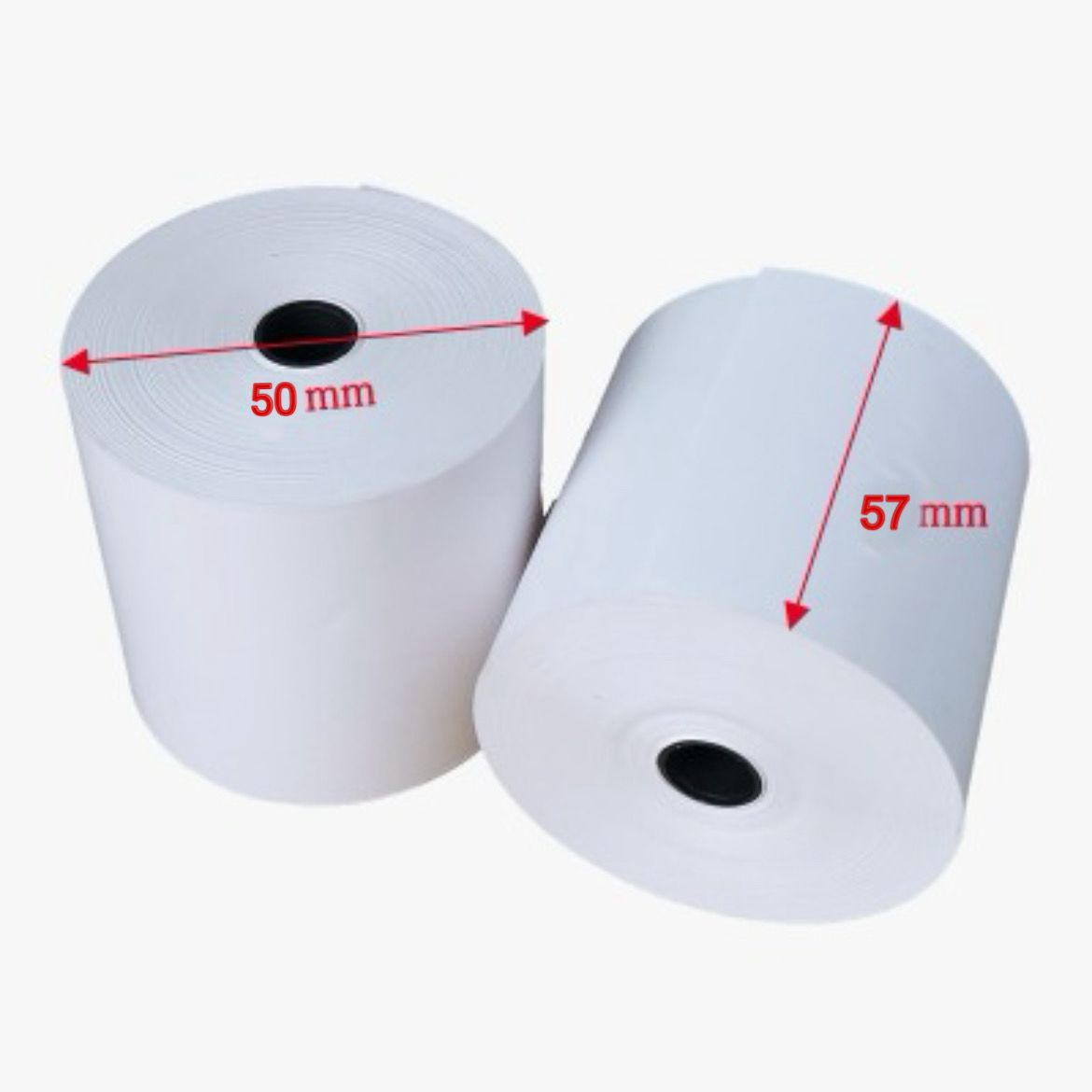
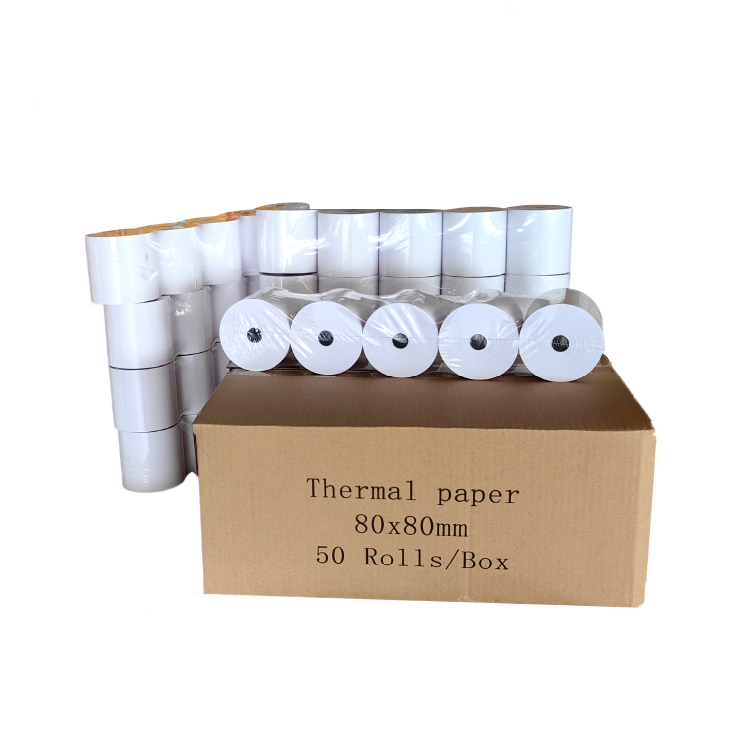
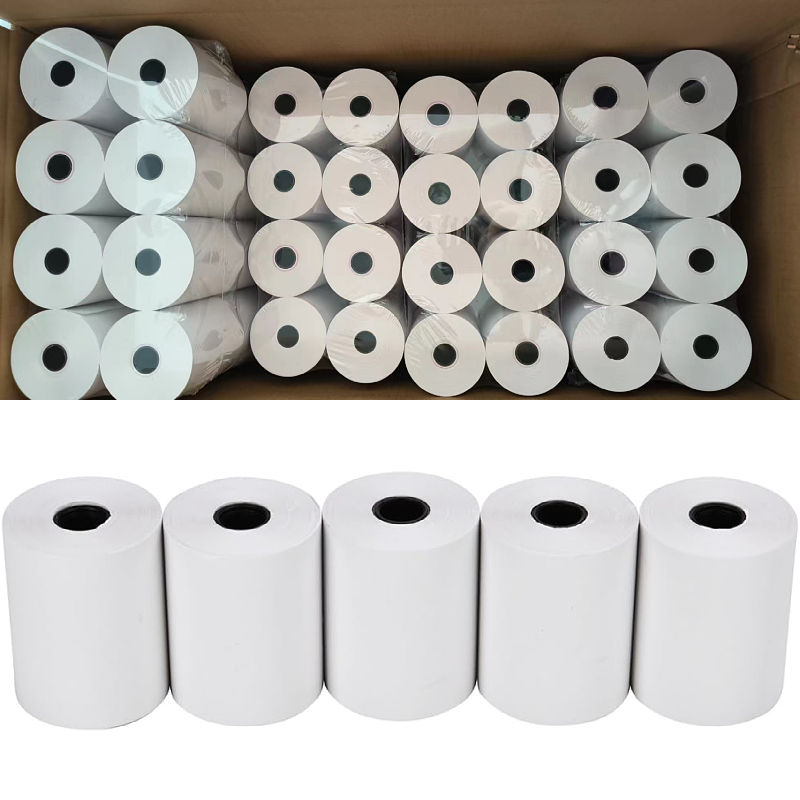
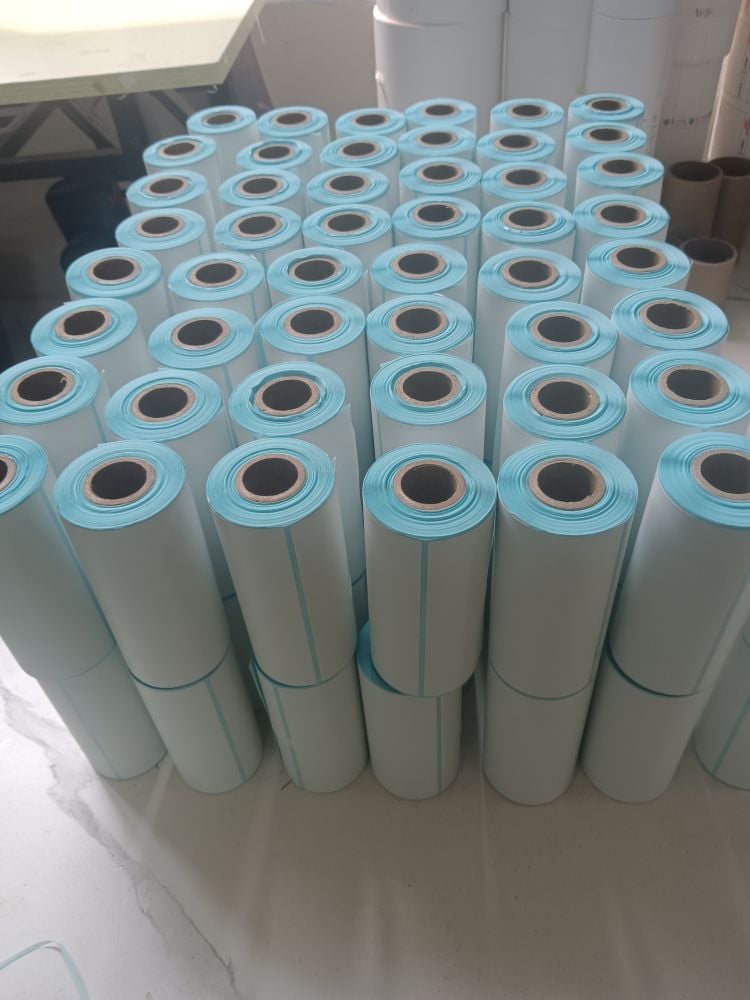
When you buy thermal labels from a manufacturer, don't look only at the size. Check the core size — the hole in the middle of the roll — because it has to match your printer, usually 1 inch or 3 inches. Check the roll diameter so it fits the slot on the machine. And check the material itself: if labels sit in a hot warehouse or ship to humid regions, a basic paper stock can curl or the adhesive can weaken before the label even gets used.
One detail people overlook is the label count per roll. Two suppliers can sell what they both call "4x6" and one gives you 250 labels per roll while the other gives 500. Same box size, different count. Look at that number before you compare the price per roll, or you'll think you got a deal that you didn't.
Working with a shipping label manufacturer
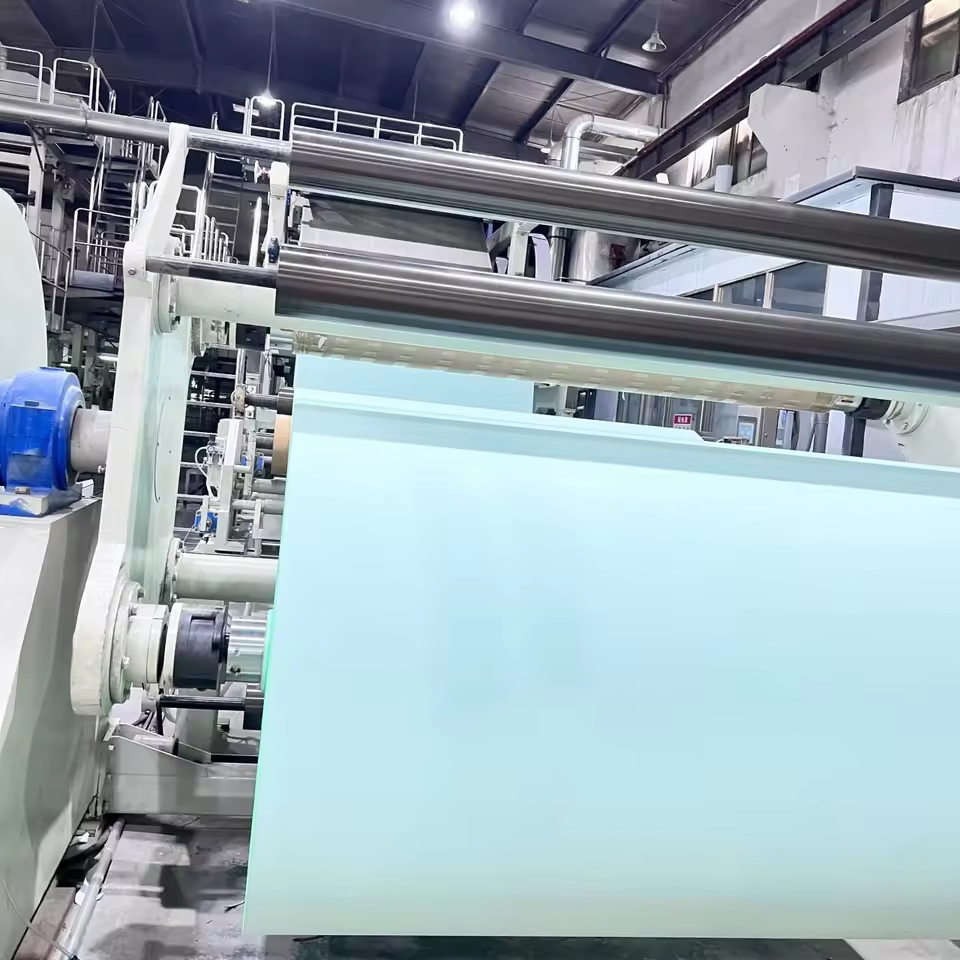
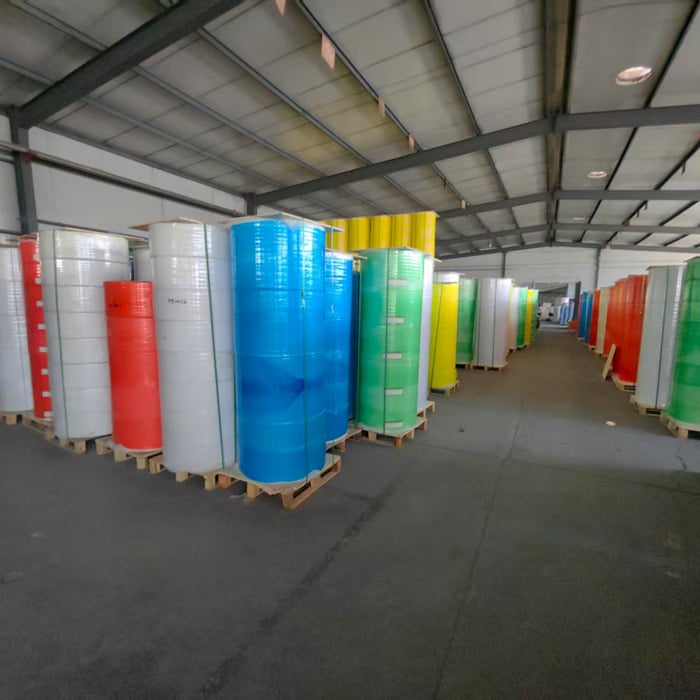
A lot of this comes down to who you buy from. A decent shipping label manufacturer will ask what printer you own before they sell you labels, because that determines core size and roll compatibility. If a supplier never asks, treat that as a small red flag. They should also be willing to send a sample sheet first. Labels are one of those products where a sample costs them pennies and can save you a full roll of wasted stock if the adhesive or coating is wrong for your printer.
If you're still on the fence, go with 4x6 direct thermal, from a supplier who asks about your printer and sends samples. Drop to 4x4 only if you ship mostly small, flat items in mailers. That covers the bulk of it. You can always adjust on the next order — once you've burned through a full roll, you'll know exactly what works for your setup.
 Hot News

 EN